
































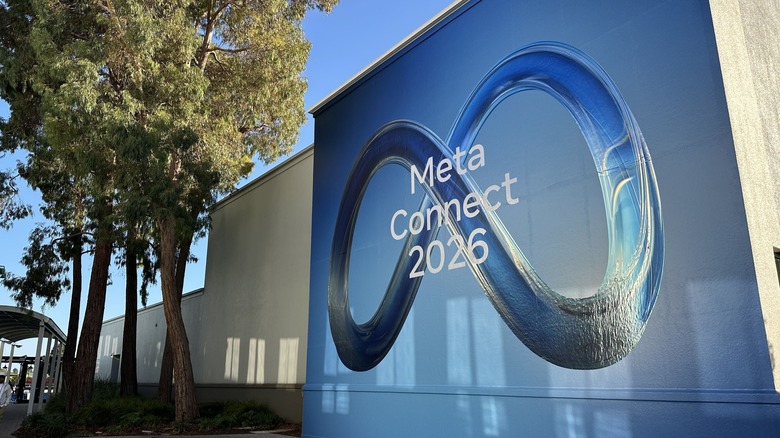
Meta used its 2026 Connect conference to expand its wearable technology lineup, unveiling new smart glasses, a lightweight virtual reality device and a compact gadget designed to work with its Muse AI agent.
The event took place on September 23 and 24 at Meta’s headquarters in Menlo Park, California. CEO Mark Zuckerberg presented a range of products that extend Meta’s push into AI-powered glasses and spatial computing.
The new lineup spans several price points, from the $249 Meta Adventurer to the $1,299.99 Meta VR Glasses. Some products are available within weeks, while Meta’s most advanced VR glasses are scheduled for spring 2027.
The company also introduced its first smart glasses without a camera. The Ray-Ban Meta Audio is designed for music, calls and AI assistance without capturing photos or video.
Detailed Specifications of Everything Announced.
| Product | Price | Battery | Camera | Weight | Availability |
|---|---|---|---|---|---|
| Ray-Ban Meta Gen 3 | $449 | Up to 9 hours | 12MP, 3K video | Not stated | Available now in supported markets |
| Ray-Ban Meta Audio | $349 | Up to 12 hours + 48 hours from case | None | 43g | Ships October 13 |
| Meta Adventurer | $249 | Not stated | Not stated | Not stated | October 23 |
| Meta VR Glasses | $1,299.99 | Up to 3 hours high-resolution playback | Not stated | About 100g | Spring 2027 |
| Meta Glasses LISA Edition | $399 | Not stated | Not stated | Not stated | To be announced |
| Muse Charm | Not announced | Not announced | Not announced | Not announced | Not announced |
Ray-Ban Meta Gen 3
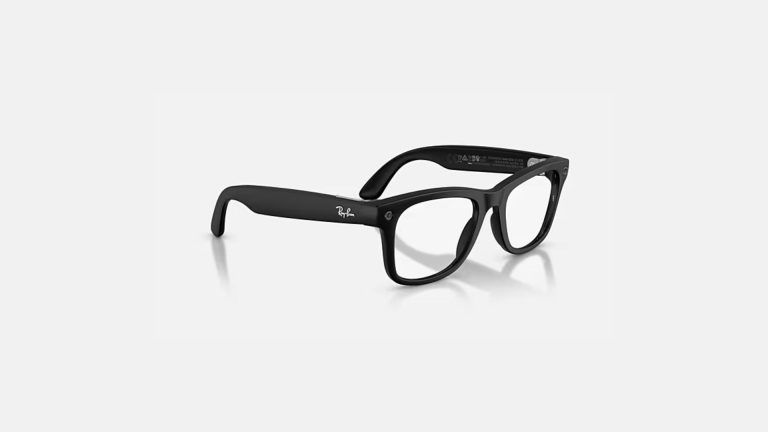
The Ray-Ban Meta Gen 3 is the latest version of Meta’s camera-equipped smart glasses. It starts at $449 and is available now in supported markets.
Meta has made several hardware changes while keeping the camera system from the previous generation.
The glasses have slimmer frames and adjustable temple tips. Battery life now reaches up to nine hours, compared with eight hours on the previous generation.
A new action button gives users faster access to Meta AI. That means users can activate the assistant without saying “Hey Meta”.
The glasses also have six microphones. Meta says the microphone system can reduce more than 90% of background noise during calls.
The camera remains a 12-megapixel sensor capable of recording 3K video.
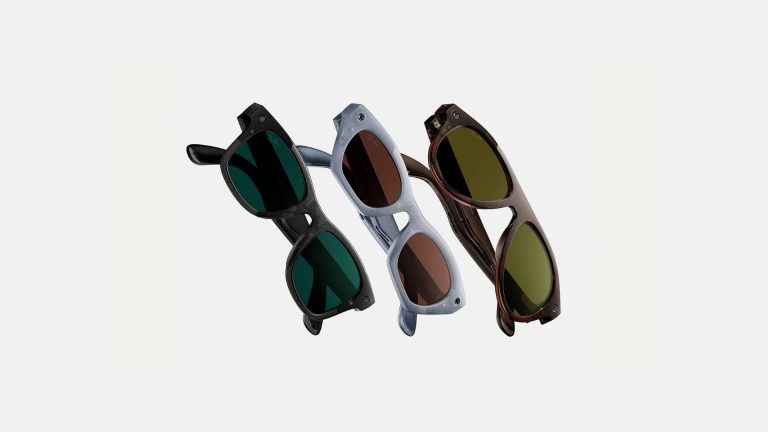
Meta is offering 27 frame-and-lens combinations. The range includes new Aviator and Zena cat-eye designs alongside the existing Wayfarer style.
A limited-edition Aviator Connect model starts at $579.
Ray-Ban Meta Audio removes the camera
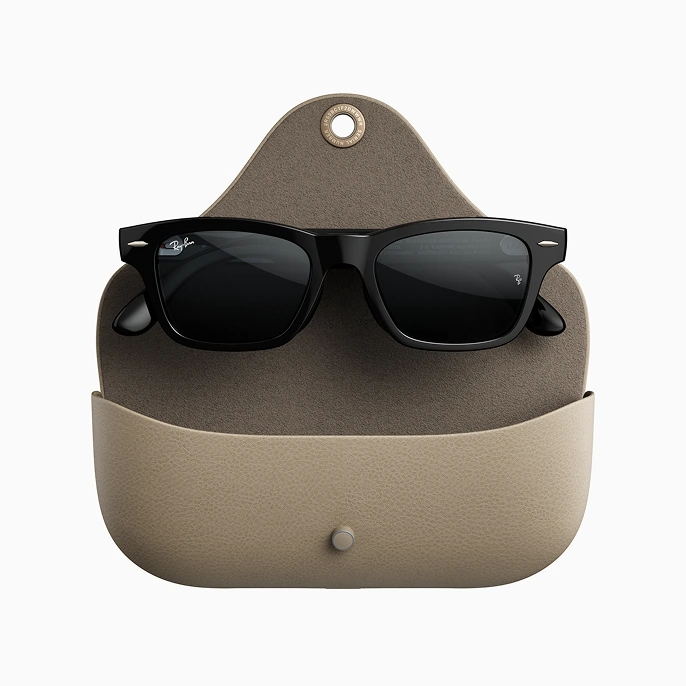
The Ray-Ban Meta Audio is one of the more notable announcements from the event because it removes the camera entirely.
The glasses use open-ear speakers for music, podcasts, calls and conversations with Meta AI. They retain microphones, allowing users to interact with the AI assistant.
The camera-free design addresses one of the main concerns surrounding smart glasses: the possibility of recording people without their knowledge.
Without a camera, the Audio model cannot take photos or record video. However, the glasses still use microphones and send voice requests to an AI service.
The glasses weigh 43 grams and offer up to 12 hours of battery life. Their charging case can provide another 48 hours.
They come in Clubmaster and Burbank frames, with 23 colour and lens combinations.
Ray-Ban Meta Audio starts at $349. Pre-orders opened on September 24, with shipments scheduled to begin October 13.
Meta VR Glasses bring high-end VR into a lighter design
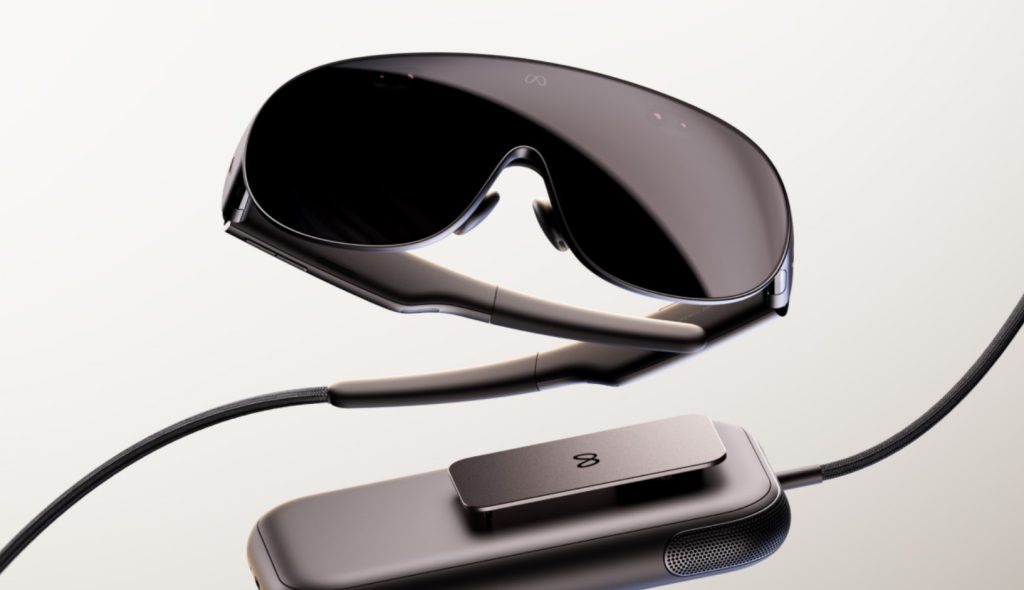
Meta also unveiled its most ambitious hardware product at Connect: Meta VR Glasses.
Unlike traditional VR headsets such as the Quest, the device resembles a pair of thick glasses. It weighs about 100 grams, with Meta using a magnesium-alloy frame and pancake lenses.
Meta says the glasses are about five times lighter than the Quest 3.
The company achieved the smaller form factor by separating the glasses from their main computing hardware.
The glasses contain the displays and sensors. A separate puck contains the processor, battery and apps. An optical cable connects the two devices.
The puck can sit on a table or clip to a user’s pocket.
The Meta VR Glasses use a micro-OLED 5K Infinite Display with 37 pixels per degree. They also support Dolby Vision.
For audio, the device supports Dolby Atmos. Meta has also announced IMAX Enhanced certification.
The glasses use Qualcomm’s Snapdragon Reality Elite platform, with the processor housed in the external puck.
Battery life is rated at up to three hours of high-resolution media playback. The puck supports 45W charging.
Meta VR Glasses cost $1,299.99 and are scheduled to arrive in spring 2027.
Gaming without traditional controllers
Meta is putting significant emphasis on hand tracking.
More than 75 games will support hand gestures at launch. Users can also use Touch Plus controllers for games that require physical controls. A Bluetooth gamepad can be used with Xbox Cloud Gaming.
Beat Saber is also getting a new hand-tracking mode called Flux. Meta says the update will arrive in spring 2027 for both Meta VR Glasses and Quest.
The update will add gesture-based gameplay and 35 songs, alongside a redesigned campaign.
Other games announced for the Quest ecosystem include Payday: Aces High, Tetris Effect and Two Point Hospital, with hand tracking coming to some experiences.
Virtual screens and work
Meta is positioning the VR Glasses as a productivity device as well as a gaming platform. Users can open multiple virtual screens and connect the glasses to a Mac or Windows PC.
Meta says the surrounding physical space can also function as a keyboard and touchpad.
That could allow the glasses to serve as a portable multi-screen workstation without requiring multiple physical monitors.
Films and sports
Meta is also expanding the entertainment content available on its VR platform.
Disney+ subscribers in selected countries will be able to stream The Avengers and Black Panther in 3D from November 2026.
A Disney Immersive Cinema by ILM app will bring VR Enhanced versions of Avengers: Infinity War and Star Wars: A New Hope to Meta VR Glasses in spring 2027.
Meta also plans to offer hundreds of 2D and 3D films for purchase or rental in the US later this year.
Sports will receive a similar treatment.
ESPN immersive streaming will deliver sports in 8K and 180-degree views, beginning with college football in 2026. Meta says the service will expand in 2027.
The company also says users will have access to more than 100 live sports events per year through partnerships involving MLB, NBC Sports, TNT Sports and UFC.
Availability of some films, sports streams and other content will depend on country and subscription.
Muse Charm brings Meta AI into a dedicated device

Meta also showed a small device called Muse Charm. The device is designed as a dedicated interface for Muse, Meta’s AI agent. Meta showed it on stage but has not announced a price or release date.
Meta has provided few details so far. Reports cited in the supplied coverage describe a compact device with a display, speakers, microphones and a fingerprint sensor.
Meta has said more information will come later in 2026.
What is Muse?
Muse is Meta’s AI agent, which launched on September 8, shortly before Connect.
Unlike a conventional chatbot, Muse can perform tasks on a user’s behalf.
It can open websites, fill out forms, plan trips and shop online. Meta says it asks for approval before sensitive actions, such as sending an email or completing a payment.
The system operates inside a protected virtual computer called Muse Secure VM.
Meta is also expanding the services that Muse can interact with.
For shopping, the company has added Walmart, Best Buy, Sephora, Ulta, Wayfair, Gap and Fanatics. Muse can also work with Shop Pay and PayPal, in addition to Stripe’s Link. For travel and groceries, Meta has added Expedia and Instacart. Work-related integrations include Notion, Granola, GitHub and Box.
The availability of these services can vary by country.
Muse comes to Mac and Meta glasses
Muse for Mac can use applications on a user’s computer with permission.
Users can give Muse a list of tasks and leave it working in the background.
Meta is also bringing Muse to supported AI glasses. The assistant will be able to respond to its name and provide help based on what the wearer is looking at.
Meta says the glasses integration will arrive over the next few months, although it has not provided specific dates for every model or market.
Users will also be able to customise Muse’s voice, including its speaking speed and accent.
Meta announced a live avatar that gives Muse an expressive face on screen. Muse will also receive its own email address.
Hologram calls bring digital avatars to video chats
Meta showed a feature it calls hologram that creates a lifelike digital representation of a person.
Users scan their face with a phone, after which Meta creates a digital avatar that can reproduce facial expressions during calls.
The feature is coming to Meta VR Glasses at launch.
Meta Ray-Ban Display users in the US will also receive early access to hologram calls on WhatsApp.
The supplied sources also report that holographic communication will expand to other platforms, including Zoom.
New features are coming to existing Meta glasses
Meta is not limiting its software updates to the new hardware.
The company announced several features for its existing AI glasses.
One is Private Processing. Meta says it will allow some AI requests to be processed without Meta seeing the user’s data.
The company also announced new camera features, including dynamic photos and Dolby Atmos video capture.
Hearing enhancement
Meta also announced FDA-cleared software designed to help adults with mild to moderate hearing loss.
The feature will initially launch in the US later this year on supported Meta glasses.
The feature costs $149.99 as a standalone purchase or comes through a Meta One subscription. The supplied sources differ slightly on the payment structure, so the final pricing terms will need to be confirmed when Meta rolls it out.
Meta describes the technology as a hearing-enhancement feature rather than a replacement for regulated hearing aids.
Better navigation on Ray-Ban Display
Ray-Ban Display is also receiving new navigation features.
Cycling and public-transit directions are coming later in September in the US and Canada.
Meta is also expanding availability of Ray-Ban Display outside the US.
The device is available in the US for $799 and in the UK for £749. In Canada, it costs C$1,149.
Pre-orders are open in Germany, France and Italy for €899, with availability scheduled for October 13.
Meta Adventurer starts at $249

Meta also introduced the Meta Adventurer, its cheapest Meta Glasses model.
The glasses start at $249 and come with a black frame, grey lenses and a plug-in case.
They go on sale October 23 in countries where Meta Glasses are available.
Meta also announced Capri and Nova frames and a limited Meta Fury edition featuring a clear frame and mirrored lenses.
A new Mix & Match programme will allow US customers to customise their glasses.
Meta says it expects to offer more than 100 glasses options across its brands by the end of 2026.
LISA gets two Meta Glasses editions
Meta also announced a collaboration with BLACKPINK’s LISA.
The company created two Meta Glasses designs: the Adventurer LISA Edition and Capri LISA Edition.
Both start at $399.
The editions feature star details, a special case and charms based on LISA’s pets. Buyers also receive digital photocards that can be unlocked with the glasses.
These models are part of Meta’s own Meta Glasses range and are separate from the Ray-Ban Meta Gen 3.
Ray-Ban Display gets more features
Ray-Ban Display received several updates at Connect.
In addition to cycling and public-transit directions, Meta announced phone-notification mirroring and other interactive features.
Holographic WhatsApp calls are also coming to the platform.
The device has expanded beyond the US, while additional markets are receiving pre-orders.
The rollout remains market-dependent, with several features initially limited to specific countries.
What Meta did not announce
Despite the focus on VR, Meta did not announce a new Quest headset at Connect 2026.
Instead, the company focused much of its hardware strategy on glasses.
The lineup now covers several distinct categories.
At the lower end, Meta has the $249 Adventurer. The $349 Ray-Ban Meta Audio targets people who want audio and AI without a camera.
The $449 Ray-Ban Meta Gen 3 adds a camera and higher-end smart-glasses features.
At the top, the $1,299.99 Meta VR Glasses target gaming, entertainment and productivity.
Muse Charm adds another layer by providing a dedicated interface for Meta’s AI agent.
What is coming to Africa?
For African users, availability remains one of the biggest unanswered questions.
South Africa
Meta has identified South Africa as one of 12 new markets that will receive Ray-Ban Meta and Oakley Meta glasses later in 2026.
Ray-Ban Meta Optics is also included in the planned expansion.
Meta has not yet provided local prices or specific launch dates for South Africa.
It has also not confirmed that Ray-Ban Meta Audio or Meta VR Glasses will launch there.
Nigeria and Kenya
Meta has not announced official launches for the new devices in Nigeria or Kenya.
Imported units may still appear through local sellers, but availability of the hardware does not guarantee access to every Meta AI feature.
Buyers considering imported devices should check:
- The exact model and generation
- Warranty coverage
- Which AI features are supported in their country
- The seller’s return policy
Local prices can also differ substantially from Meta’s US prices because of exchange rates, import costs and retailer margins.