


































The Federal Government has concluded plans to issue a ₦4 trillion government-backed bond to settle verified arrears owed to electricity generation companies (GenCos) and gas suppliers. The announcement follows months of verification and reconciliation that reduced the earlier estimated debt of ₦6.2 trillion to a verified ₦4 trillion.
The development marks a major milestone in the Federal Government’s efforts to restore stability and investor confidence in the Nigerian power sector. The decision was confirmed by the Special Adviser to the President on Energy, Mrs. Olu Verheijen, in a statement issued in Abuja after a high-level meeting involving key government officials and senior GenCo executives.
According to the Presidency, the Federal Government has completed the implementation framework for the bond issuance which will be fully backed by the government to guarantee payment. The move is expected to provide immediate liquidity relief to electricity generation companies and gas suppliers who have faced years of delayed payments and financial strain.
Federal Government Verifies and Reduces Power Sector Debt
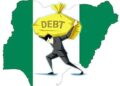
Reports earlier this year indicated that the Federal Government was preparing to pay about ₦6.2 trillion in accumulated power sector debts. The amount included outstanding invoices from GenCos, gas suppliers, and other stakeholders. However, after a comprehensive verification exercise that reviewed invoices, contracts, and payment records, the government concluded that only ₦4 trillion of the total debt was valid and verifiable.
According to government sources, the verification process uncovered discrepancies in billing and documentation, leading to a reduction of about ₦2.2 trillion in claims. This verification was carried out in partnership with the Ministry of Finance, the Ministry of Power, the Office of the Special Adviser on Energy, and the Nigerian Bulk Electricity Trading Plc (NBET).
Mrs. Verheijen noted that the Federal Government will engage in bilateral discussions with GenCos and gas suppliers to finalize settlement agreements that take fiscal sustainability into account. She added that this bond program represents the single largest power sector debt intervention in Nigeria in over a decade.
Significance of the ₦4 Trillion Bond
The ₦4 trillion government-backed bond is expected to ease liquidity pressure on the electricity generation companies and gas suppliers. The funds will help these companies stabilize operations, service outstanding loans, and reinvest in generation capacity.
The bond also signals the Federal Government’s renewed commitment to addressing the long-standing financial bottlenecks that have hindered the electricity supply chain. It aims to rebuild trust between the government and private sector investors in the power industry while creating a clear financial pathway for future reforms.
Government officials have emphasized that this debt resolution effort aligns with broader reforms in the electricity market which include grid modernization, closing metering gaps, reviewing electricity tariffs, improving gas supply contracts, and targeting subsidies toward vulnerable consumers.
The Ministry of Power and the Ministry of Finance are expected to work jointly to ensure that the bond issuance process is transparent, credible, and timely.
Implications for the Nigerian Power Sector
Clearing verified arrears will inject fresh liquidity into the power value chain, improve cash flow among operators, and strengthen the creditworthiness of power companies. It will also encourage gas suppliers to resume full deliveries to power plants, ensuring more reliable electricity generation.
Analysts believe that resolving the debt problem could unlock new private sector investments in the energy space, enhance grid reliability, and help Nigeria achieve its energy transition goals.
However, they caution that clearing debts alone will not solve all sector challenges. Issues such as tariff shortfalls, vandalism, transmission constraints, and metering inefficiencies must also be addressed to ensure long-term stability.
The government’s success in implementing this ₦4 trillion intervention will depend on the speed of execution, transparency in disbursement, and consistent monitoring to prevent future arrears from accumulating.
Broader Economic and Fiscal Impact
While the ₦4 trillion bond will provide relief to the energy sector, it will also add to the country’s debt stock. The Ministry of Finance is expected to structure the bond in a way that minimizes fiscal risk and ensures repayment through long-term instruments spread over several years.
This move is part of the Federal Government’s broader strategy to balance economic reform with fiscal responsibility. Officials believe that by clearing these verified debts, the government can stimulate investment in infrastructure, expand power generation capacity, and improve the ease of doing business in Nigeria.
Industry stakeholders have welcomed the decision, calling it a critical step toward rebuilding confidence in the electricity market. They urged the government to follow through swiftly on implementation and to ensure that future payments are made promptly to prevent a recurrence of such arrears.