






































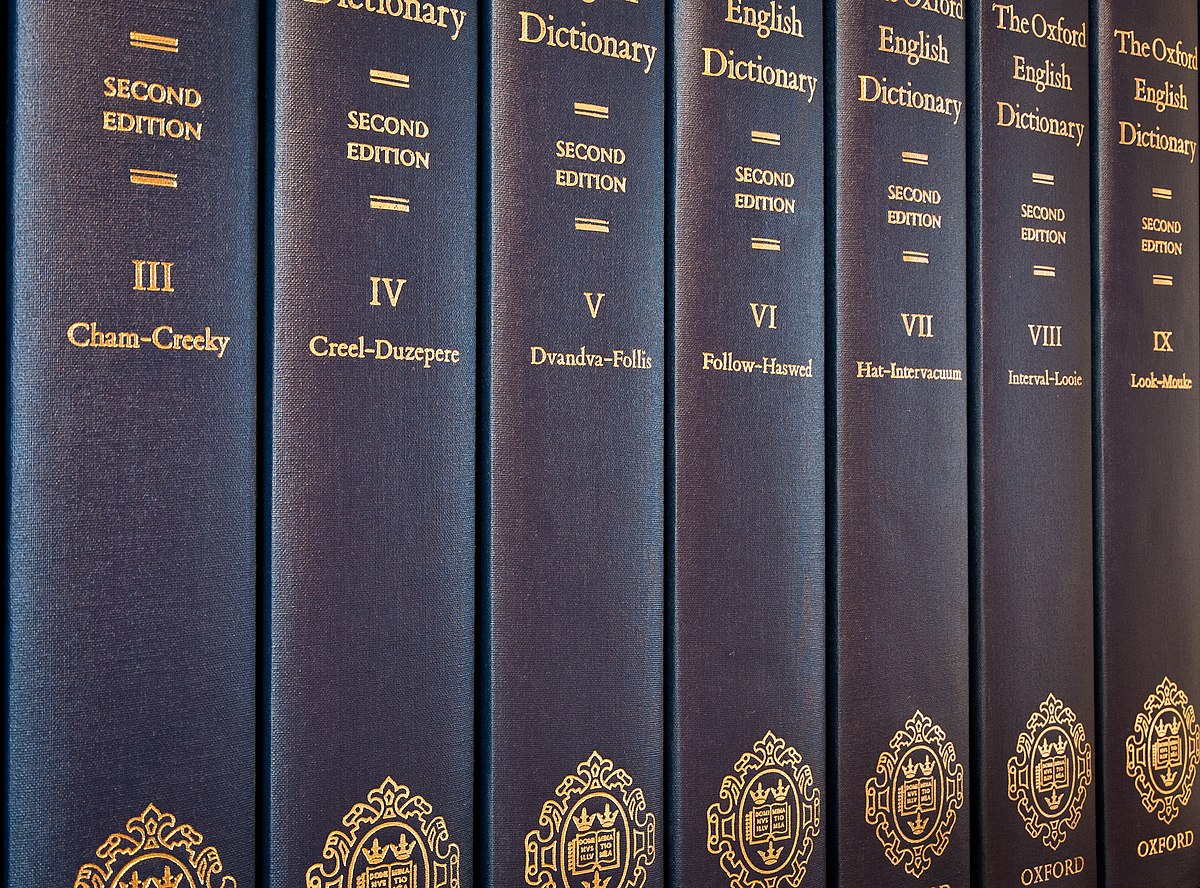
We are celebrating a big cultural win after popular local words like nyash, amala, and abeg were officially added to the Oxford English Dictionary (OED). What once lived mainly in street conversations, music lyrics, and social media captions has now earned a place in one of the world’s most respected dictionaries.
The update, released by Oxford English Dictionary editors, reflects how Nigerian English and everyday expressions have grown beyond borders. These are words millions of Nigerians use daily without thinking twice, and now, they are recognised as part of global English.
Nyash, a slang term commonly used to describe a person’s backside, especially in pop culture and music, made the list. Amala, a beloved Nigerian staple made from yam, cassava, or plantain flour, was also included, giving global recognition to Nigerian cuisine. Then there’s abeg, a casual but powerful word Nigerians use to say “please,” express frustration, or add emphasis in conversation.
Other Nigerian expressions added include biko, another way of saying “please,” moi moi, the popular steamed bean pudding, mammy market, commonly used in military and NYSC camps, and even Ghana Must Go, the famous checkered bag known across West Africa.
According to Oxford, these additions come from years of tracking how English is spoken around the world. As Nigerian music, films, social media content, and slang continue to dominate global spaces, the language naturally follows. Afrobeats, for example, has already become a global term, and everyday Nigerian expressions are now catching up.
For many Nigerians, this moment feels personal. It’s proof that local culture matters and that everyday language spoken at home, on the streets, and online can shape global narratives. It also shows that English is no longer owned by one region but constantly evolves through people’s lived experiences.
So the next time you say “abeg” or order amala with confidence, just know you’re speaking Oxford-approved English. Nigeria didn’t just export culture this time, it exported language.