






































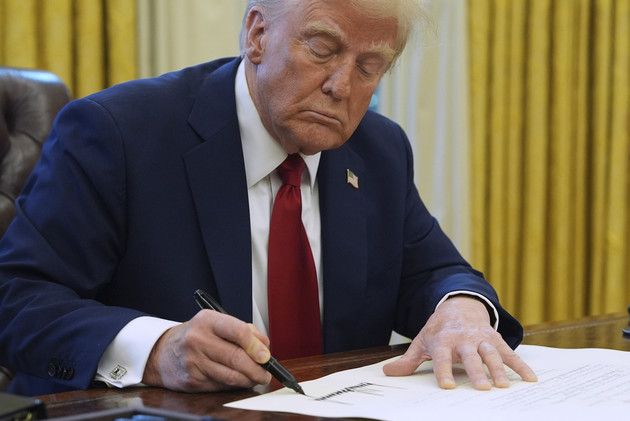
President Donald J. Trump on Tuesday announced a proposal to dramatically increase U.S. military spending for fiscal year 2027 to $1.5 trillion, arguing that the higher figure is necessary to confront growing global dangers and secure America’s position as the world’s dominant military power.
In a statement attributed to the White House, Trump said the decision followed “long and difficult negotiations” with senators, members of Congress, Cabinet secretaries, and other political leaders. He said the increase from a previously discussed $1 trillion defense budget would allow the United States to build what he described as a “Dream Military” capable of keeping the nation “safe and secure, regardless of foe.”
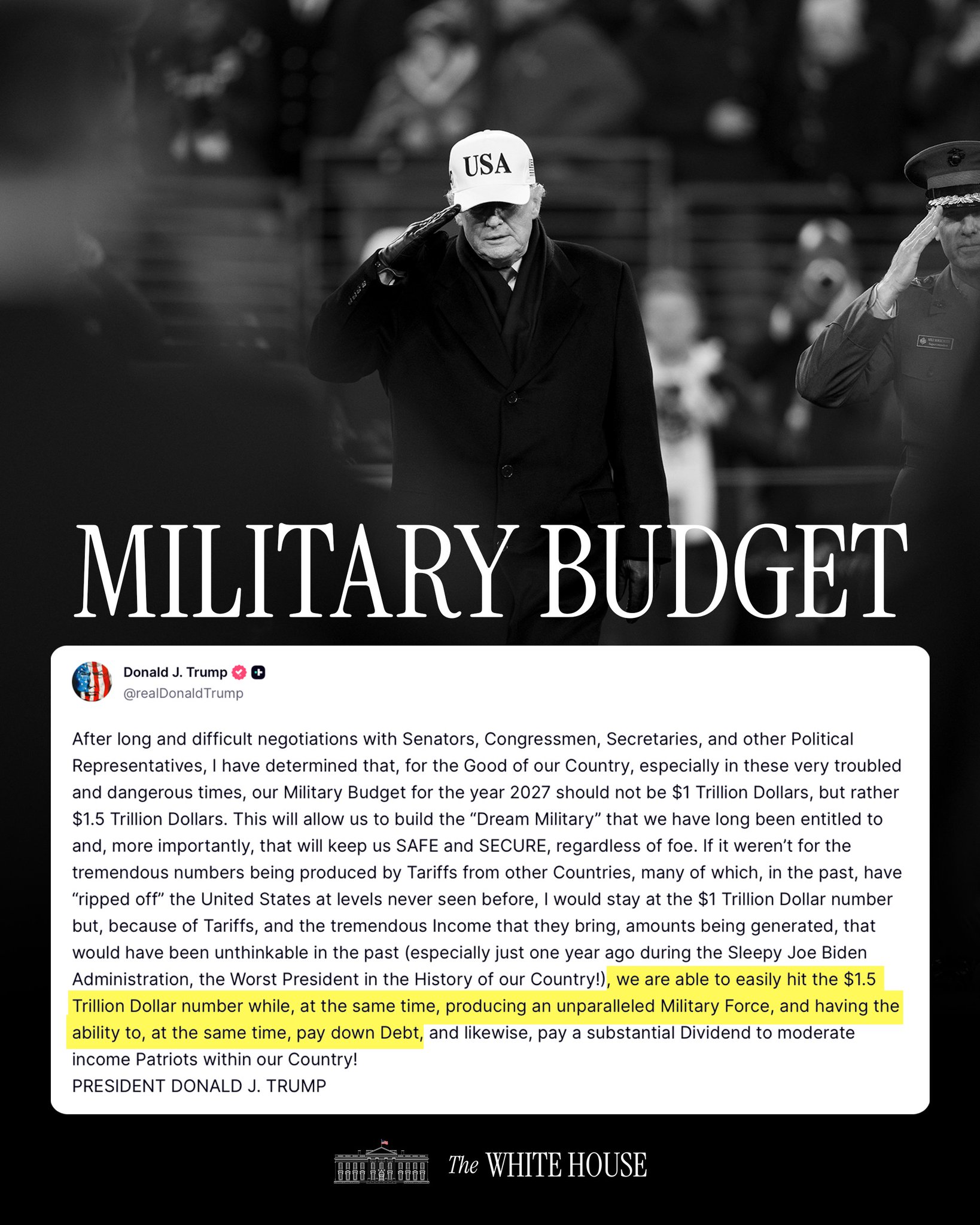
Trump tied the proposed increase directly to revenue generated by tariffs on foreign countries, claiming those measures have produced “tremendous income” that would have been “unthinkable in the past.” According to the president, the additional funds would make it possible not only to expand military capabilities but also to pay down national debt and provide dividends to moderate-income Americans.
The proposal comes amid heightened geopolitical tensions and ongoing U.S. military operations overseas, factors the president cited as evidence that the country is living through “very troubled and dangerous times.” Trump sharply criticized the previous administration’s handling of defense and economic policy, arguing that stronger leadership and aggressive trade measures have created the financial capacity for the larger military budget.
Reaction on Capitol Hill has been swift and divided. Supporters argue the increase is necessary to modernize the armed forces, counter rival powers, and deter future conflicts. Critics, including Democrats and some fiscal conservatives, warn that a $1.5 trillion defense budget would significantly expand federal spending and could deepen long-term deficits, even with higher tariff revenues.
The president has also signaled a tougher stance toward major defense contractors, accusing some companies of prioritizing executive pay and stock buybacks over production. He has suggested future Pentagon contracts could be tied to increased output and stricter limits on shareholder payouts.
Congress will ultimately decide whether to approve the proposed budget, setting the stage for what is expected to be a contentious debate over national security, fiscal responsibility, and the role of tariffs in funding government priorities.