
















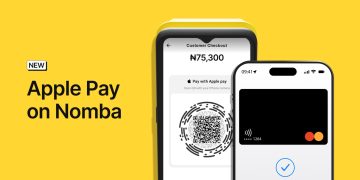






















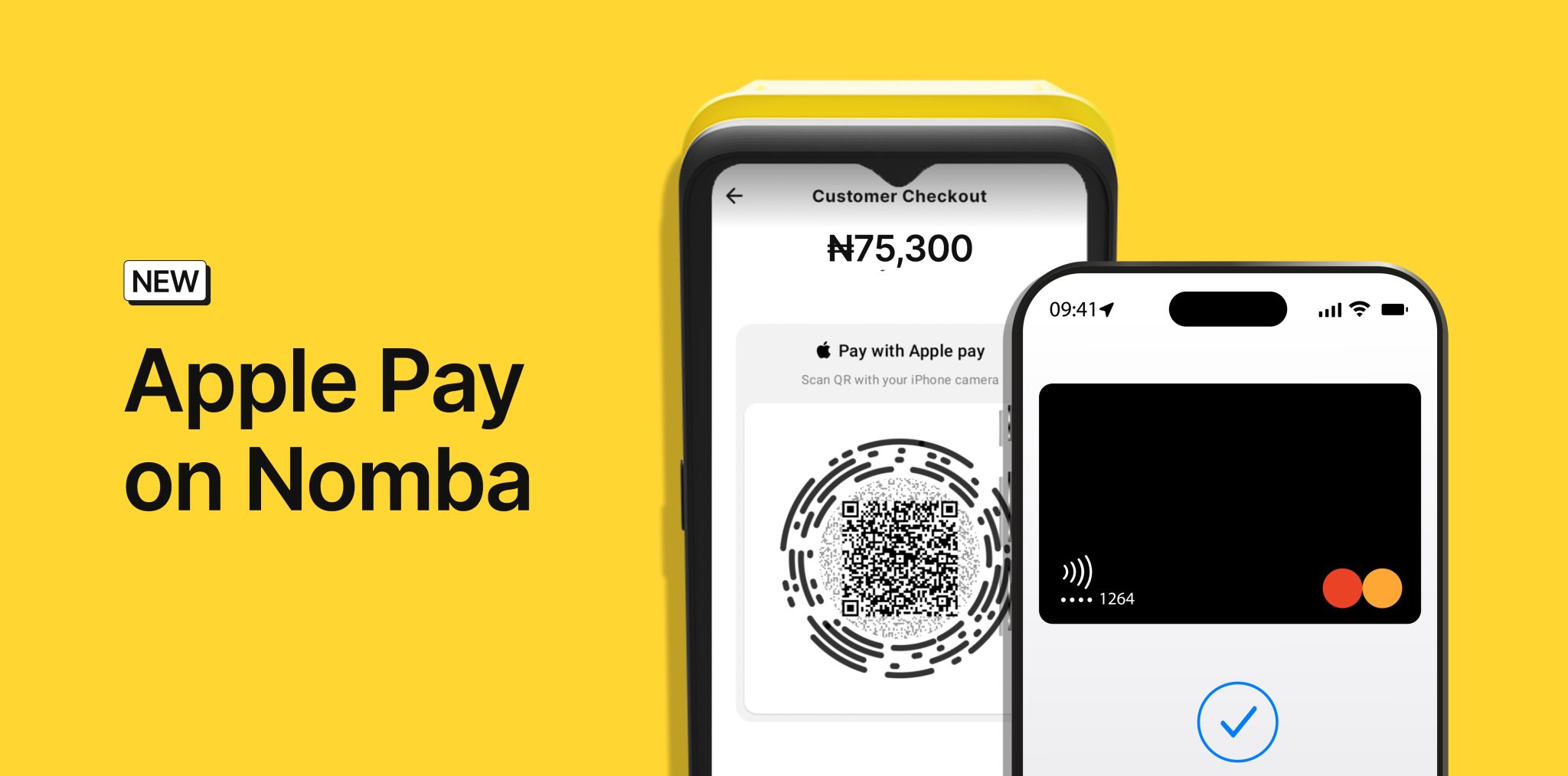
Nigerian merchants can now accept Apple Pay through Nomba. This is part of the fintech’s effort to broaden its payments offerings and connect local businesses to global customers.
With the integration, merchants using Nomba’s platform can receive Apple Pay payments both in-store and online, allowing customers to pay without physical cards or bank transfers. This opens Nigerian businesses to Apple Pay users worldwide, including diaspora Nigerians, with transactions authenticated through Face ID on supported devices.
“Payments globally are moving toward speed, security, and invisible checkout,” said Pelumi Aboluwarin, Nomba’s chief technology officer. He added that the company’s goal is to ensure Nigerian merchants are prepared for the future of payments rather than left behind.
Nomba joins a small but growing list of Nigerian fintechs supporting Apple Pay, following Paystack’s integration in 2021 and a similar launch by Platnova in July 2025. While Apple Pay is common across North America, Europe, and parts of Asia, its reach in Nigeria has remained limited due to regulatory and infrastructure hurdles. Nomba’s approach sidesteps a full consumer rollout by focusing on merchant acceptance, meaning Nigerian banks do not need to issue Apple Pay-enabled cards for the service to work.
The company said the integration was achieved through global partnerships and regulatory alignment with licensed foreign entities already approved within Apple’s payments ecosystem. Although Nomba did not name its partners, it said extensive technical and operational work was required to meet Apple’s strict security and compliance standards. Its U.S. Money Transmitter and Money Services Business licences also enable it to work with global payment processors under defined agreements.
For merchants, the company believes Apple Pay acceptance could reduce common challenges tied to international payments, such as delayed settlements and unfavourable exchange rates. Nomba said it pays merchants on time even when settlements from upstream processors are delayed.
The fintech expects the feature to be especially valuable for businesses serving tourists and returning Nigerians abroad. Nigerians in the diaspora spent about ₦60 billion during December visits in 2024, according to the Nigerians in Diaspora Commission. Faster checkouts, fewer failed payments, and smoother customer experiences could translate into higher revenues during such peak periods.