














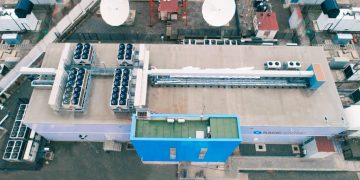




















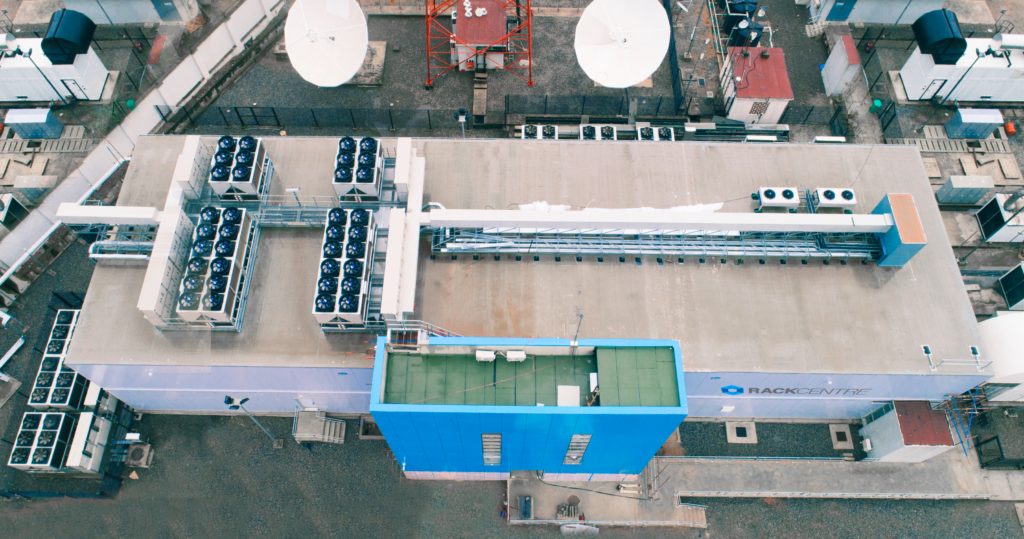
Data centres are emerging as the fastest-growing real estate asset class in Lagos, according to the Lagos Real Estate Development Pipeline Report 2025/2026 published by Estate Intel. The report projects that total data centre capacity in the city will exceed 218 megawatts by 2030, up from the current 78.6MW, marking more than a threefold increase as demand for cloud services, artificial intelligence, fintech, and content hosting continues to rise.
Estate Intel links this surge to a broader shift in Nigeria’s economy and property market, as developers and investors respond to improving macroeconomic conditions and the country’s accelerating digital adoption. While several real estate segments are recovering, data centres stand out for their pace of growth, with the development pipeline alone amounting to about 186% of existing capacity. Lagos already hosts more than 20 facilities, and projects under construction or planning will add over 146MW in the coming years.
Large-scale developments are driving much of this expansion and signaling strong investor confidence. Major projects include a 50MW facility by 21st Century Technologies in Ikeja, Airtel’s 38MW Nxtra data centre in Eko Atlantic, and Open Access Data Centres’ 24MW site in Ilasan. Additional projects from MTN, Kasi Cloud, and Jovis Nigeria are also advancing, increasing competition and depth in the market. The growing presence of global operators such as Equinix and Digital Realty further reinforces Lagos’ position as an emerging digital infrastructure hub in Africa.
Despite the strong outlook, the report flags short-term risks around underutilisation. Capacity is coming online faster than demand is being absorbed, which could push vacancy rates higher in the near term. Even so, Estate Intel notes that the market remains broadly balanced because data centres are long-term investments and Nigeria’s digital needs are still expanding.
Beyond data centres, the report paints a mixed picture of Lagos’ wider property market. Around 34,800 housing units are in the development pipeline, a small figure compared with the city’s estimated housing deficit of 2.7 million units. Developers continue to favour luxury and high-end residential projects, where returns are more resilient, while rents have risen as landlords adjust to currency pressures. Occupancy levels, however, have stayed stable due to strong underlying demand.