


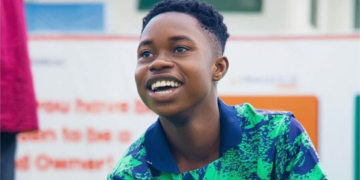






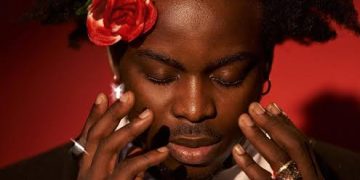

















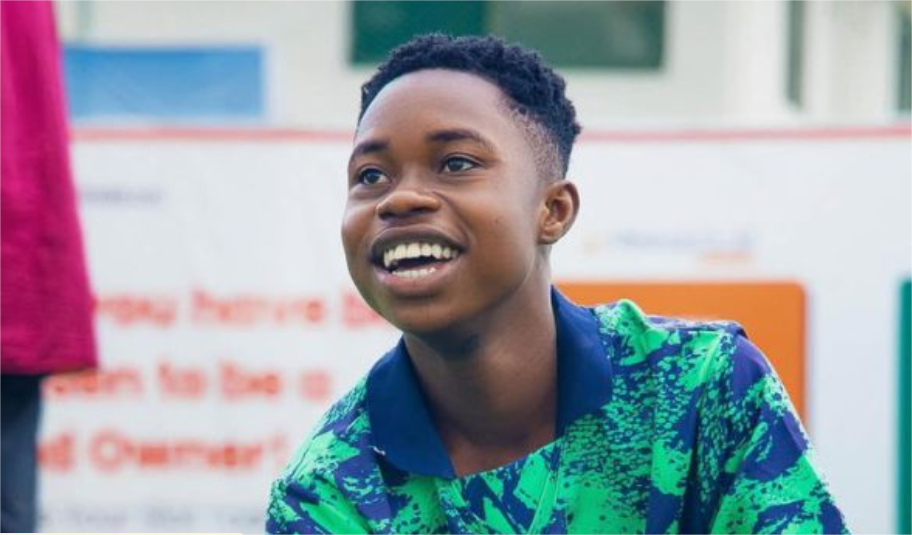
This week, the Lagos State Police Command detained well-known TikTok influencer Habeeb Hamzat, popularly known as Peller, after a troubling livestream that resulted in a car accident, sending social media into disarray.
Peller was observed speeding while livestreaming on TikTok on the Lekki-Epe Expressway. The influencer seemed preoccupied in the now-viral video, interacting with his fans while speeding through traffic. His car crashed moments later, provoking anger and worry on social media.
According to an official statement from the Lagos Police, Peller intentionally put his own life and the lives of other drivers in danger by driving recklessly and attempting suicide. The State Criminal Investigation Department (SCID) received the case for additional investigation after the police verified that he had been arrested and placed under custody.
Authorities emphasized that public safety, not social media popularity, was the reason for the arrest. Regardless of one’s online influence, the police say that using social media platforms to encourage risky behavior will not be accepted.
Since then, the incident has sparked contentious online discussions, with many Nigerians denouncing the increasing practice of influencers taking drastic risks in order to gain views, likes, and engagement. Concerned about Peller’s mental health, others urged authorities to prioritize counseling and rehabilitation in addition to legal action.
According to reports, the Federal Road Safety Corps (FRSC) has also intervened, warning that any traffic infractions connected to the incident may result in further charges.
Police used the occasion to caution young Nigerians and content creators against converting roads into content studios, even as they insist that the matter will be handled in accordance with the law. They reminded the public that one of the main causes of traffic accidents and fatalities in Lagos is still careless driving.
Peller’s case now serves as a potent reminder that the law still applies whether or not the camera is on and that influence is never worth a life while investigations are ongoing.