

























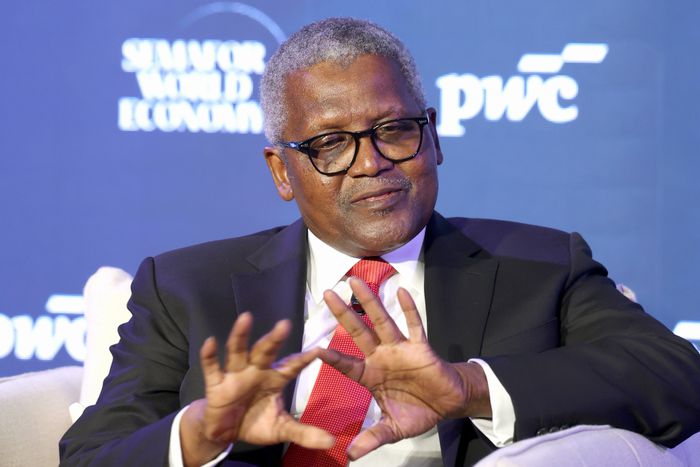
For decades, Nigeria’s erratic power supply has served as the ultimate ceiling for industrial growth. From small startups to massive manufacturing conglomerates, the high cost of alternative energy, primarily diesel generators, has crippled margins and stunted economic expansion. Now, Africa’s richest man, Aliko Dangote, is stepping in with a bold, multi-billion-dollar roadmap to bridge this gap, announcing plans to invest in a staggering 20,000 megawatts (MW) of power generation capacity.
This move is more than just a business expansion; it is a fundamental attempt to rewrite the energy narrative of the continent’s largest economy.
Closing the Massive Energy Deficit
The scale of the ambition is rooted in a stark reality: Nigeria’s national grid currently struggles to provide a stable 4,000-5,000MW for a population of over 200 million. In comparison, South Africa, with roughly a quarter of Nigeria’s population, has an installed capacity of over 50,000MW. Dangote’s proposed 20,000MW project would effectively quadruple Nigeria’s current operational output, targeting the industrial hubs that serve as the country’s economic engine.
A Strategy Built on Industrial Self-Sufficiency
The core of the Dangote Group’s strategy is “captive power”, generating electricity specifically for its massive industrial complexes, such as the Dangote Refinery, Fertiliser plant, and various cement factories. By building independent power plants (IPPs), Dangote ensures that his operations are immune to the frequent collapses of the national grid. However, the vision extends beyond his own factory walls. By adding 20,000MW to the ecosystem, the project aims to stabilise the broader market, potentially offloading excess power into the national grid to support residential and commercial consumers.
The Infrastructure Play: Beyond Generation
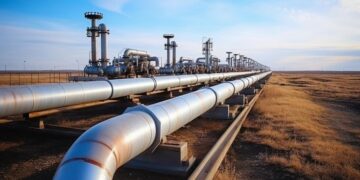
Investing in power in Nigeria is notoriously difficult due to the “broken” value chain, where generation exists, but transmission and distribution networks are too fragile to carry the load. Dangote’s plan likely involves not just the turbines and plants, but the mid-stream infrastructure needed to ensure that the power generated actually reaches its destination. This “full-stack” approach to energy is becoming a signature of the Dangote Group, which prefers to own the entire supply chain to mitigate external risks.
Economic Impact: Power as a Multiplier
The implications for Nigeria’s GDP are profound. Reliable power is the “master key” that unlocks manufacturing competitiveness. If successful, this 20,000MW investment could reduce the “generator tax” paid by businesses across the country, lowering the cost of goods and making Nigerian exports more competitive globally. As the Dangote Refinery begins to stabilise fuel supplies, this parallel bet on electricity could be the second half of a one-two punch designed to solve Nigeria’s most persistent infrastructure bottlenecks once and for all.